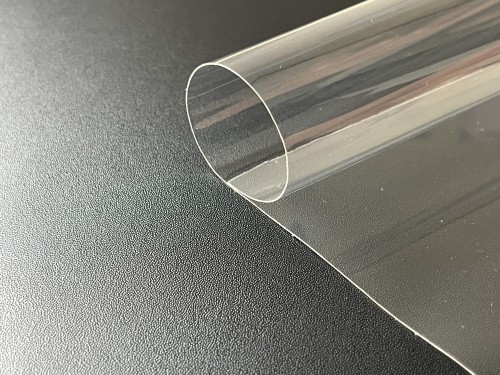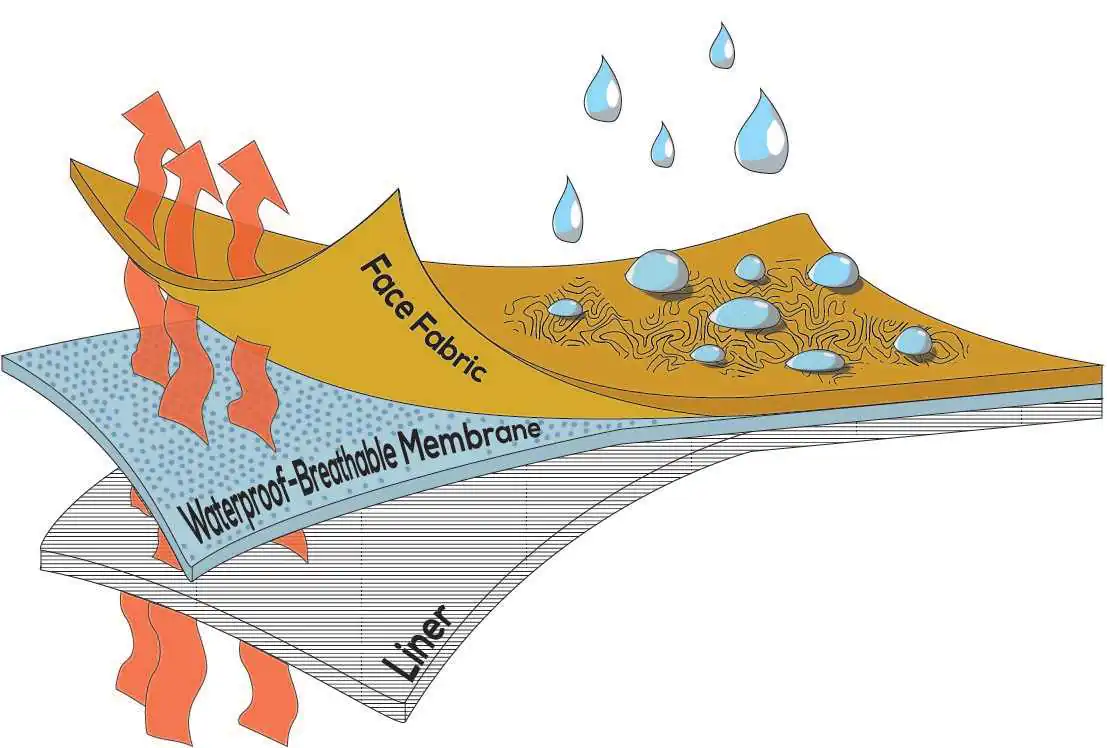
Polymer films are widely used in technical textiles, waterproof laminates, medical products, and industrial materials.
In many of these applications, the film acts as a protective barrier or functional layer that must maintain its performance over long periods of use.
Because these materials are often exposed to stress, moisture, heat, and repeated movement, durability becomes a critical performance requirement.
This is why manufacturers rely on polymer film durability testing to evaluate how well a material performs under real-world conditions.
Durability testing helps engineers predict product lifespan, improve material design, and ensure consistent performance across demanding applications.
What Is Polymer Film Durability Testing?
Polymer film durability testing refers to a group of laboratory tests used to evaluate how a film maintains its mechanical and physical properties over time.
These tests simulate the environmental and mechanical stresses that materials experience during actual use.
Instead of relying only on theoretical material properties, durability testing provides measurable data on how a film behaves when subjected to repeated stress, humidity, temperature variation, and physical wear.
This information allows manufacturers to compare materials, optimize film structures, and verify product reliability before large-scale production.
Key Properties Evaluated in Durability Testing
Durability testing typically focuses on several core performance areas that influence the long-term reliability of polymer films.
1. Mechanical Strength
Mechanical strength testing measures how well a film resists forces such as pulling, stretching, or tearing.
Tests such as tensile strength and tear resistance help determine whether a film can withstand mechanical stress during use.
Strong mechanical properties are especially important in applications like protective textiles, inflatable structures, and laminated fabrics.
2. Abrasion Resistance
Abrasion resistance evaluates how well a film withstands surface wear caused by friction or repeated contact with other materials.
In many applications, polymer films are laminated with textiles or exposed to rough surfaces. Poor abrasion resistance can lead to thinning, surface damage, or eventual failure of the protective layer.
3. Flex Fatigue Resistance
Flex fatigue testing evaluates how well a film performs when repeatedly bent or folded. Some products, such as outdoor gear or wearable textiles, experience thousands of flexing cycles during their lifespan.
Films with poor flex fatigue resistance may crack, delaminate, or lose barrier properties after repeated movement.
4. Hydrolysis Resistance
Hydrolysis resistance testing evaluates how a material reacts to long-term exposure to moisture and heat.
Certain polymers can degrade when water molecules break chemical bonds in the material structure.
Films designed for humid environments, medical products, or outdoor applications must demonstrate strong resistance to hydrolytic degradation.
5. Puncture and Tear Resistance
Puncture and tear tests measure how well a film resists localized mechanical damage. These tests simulate sharp objects, pressure points, or sudden stress that may occur during handling or product use.
High puncture resistance helps maintain the integrity of waterproof or protective barriers.
Common Test Methods Used in Polymer Film Durability Testing
Several standardized laboratory methods are commonly used to evaluate the durability of polymer films.
These tests follow international standards such as ASTM, ISO, or JIS to ensure consistent and comparable results across manufacturers and laboratories.
1. Tensile Strength Testing (ASTM D882)
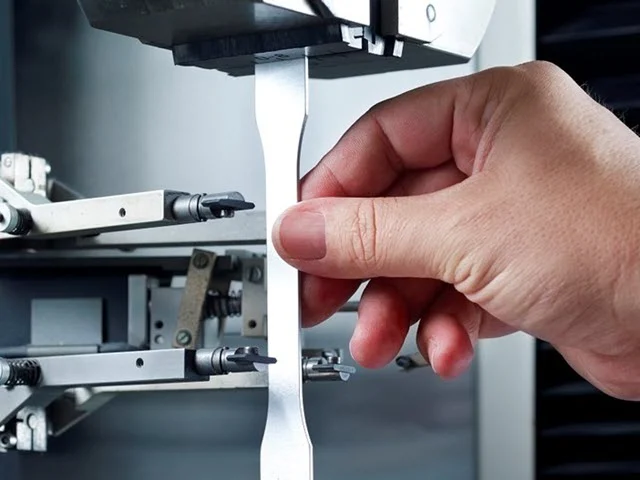
ASTM D882 is one of the most widely used methods for thin plastic films. In this test, a film sample is pulled in opposite directions until it stretches and eventually breaks.
The test measures tensile strength, elongation at break, and modulus, which indicate how well the film can withstand pulling forces during use.
2. Tear Resistance Testing (ASTM D1004 / ASTM D1922)
Tear resistance tests evaluate how easily a small cut in a film can propagate into a larger tear.
ASTM D1004 measures tear strength using a notched sample, while ASTM D1922 (Elmendorf tear test) measures the force required to continue tearing a film.
These methods are important for films used in packaging, laminates, and protective textiles.
3. Abrasion Resistance Testing (ASTM D1044 / Taber Abrasion)
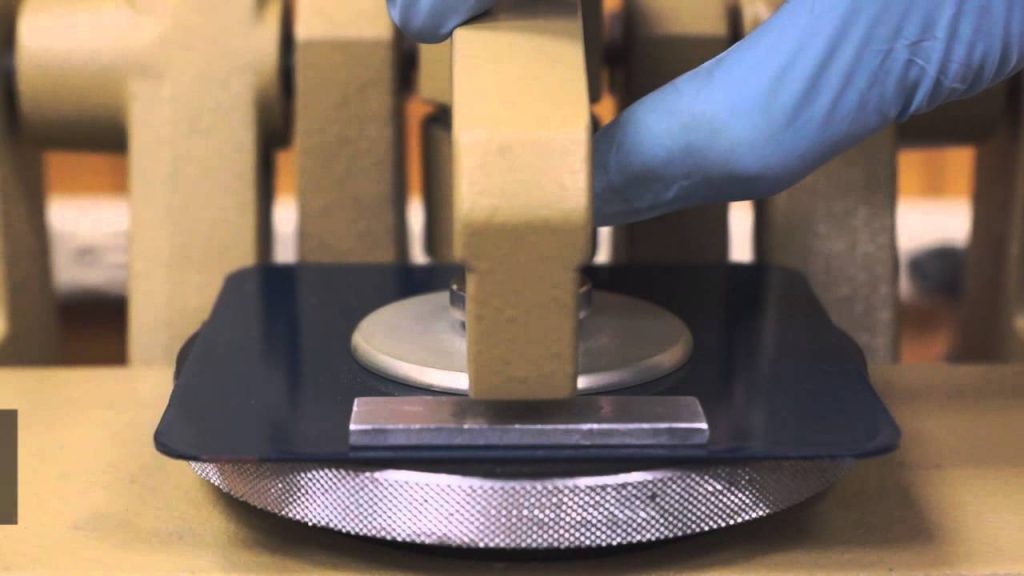
Abrasion testing evaluates how well a film withstands repeated surface wear. In the Taber abrasion test, a rotating platform and abrasive wheels simulate friction that occurs during real product use.
The test measures weight loss or surface damage after a set number of cycles.
4. Flex Fatigue Testing (Gelbo Flex – ASTM F392)
Flex durability is commonly evaluated using the Gelbo Flex test. During this test, a film sample is repeatedly twisted and compressed to simulate the bending and folding that occurs during handling or product movement.
The test identifies pinholes, cracks, or structural failures that develop after repeated flexing.
5. Hydrolysis and Environmental Aging Tests
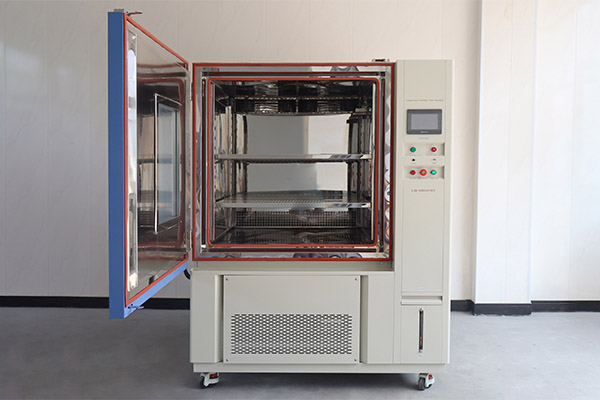
Environmental durability is often evaluated using accelerated aging tests.
Films are exposed to controlled temperature and humidity conditions for extended periods to simulate long-term environmental exposure.
These tests help determine whether the material maintains its mechanical properties in humid or high-temperature environments.
Factors That Influence Durability Performance
Several structural factors influence the results of polymer film durability testing.
Understanding these variables helps manufacturers design films that balance strength, flexibility, and functional performance.
1. Film Thickness
Film thickness plays a major role in durability performance. Thicker films generally provide higher resistance to tearing, puncture, and abrasion because more material is available to absorb stress.
However, excessive thickness can reduce flexibility and increase product weight, so manufacturers must balance durability with functional requirements.
2. Polymer Type and Formulation
Different polymers exhibit different mechanical and environmental resistance properties.
Material formulation, including additives, plasticizers, and stabilizers can significantly influence durability performance.
Selecting the right polymer system is therefore essential for achieving the desired balance of strength, flexibility, and environmental resistance.
3. Lamination and Processing Methods
Processing conditions also affect film durability. Lamination techniques, bonding methods, and manufacturing temperatures can alter internal stress levels and adhesion between layers.
Proper process control helps ensure that the final film maintains consistent performance in durability testing.
Need a Trusted Partner for Functional Polymer Films?
BlueSign Materials provides high‑performance TPU films engineered for durability, flexibility, and long-term reliability.
Our advanced polymer film solutions are designed to meet demanding durability testing standards for technical textiles, medical products, and industrial applications.
Contact BlueSign Materials to explore customized TPU film solutions optimized for your product performance requirements.