Ever wonder what’s the material behind modern products like outdoor apparel and home textiles that allows them to stay reliably waterproof even after long-term use?
One of the most effective solutions behind this performance is polymer film. These thin yet powerful material layers provide protection against water while maintaining flexibility, durability, and comfort.
In this article, we’ll explore how polymer films work, why they are so effective for waterproofing, and how different industries benefit from their performance.
What Is a Polymer Film?
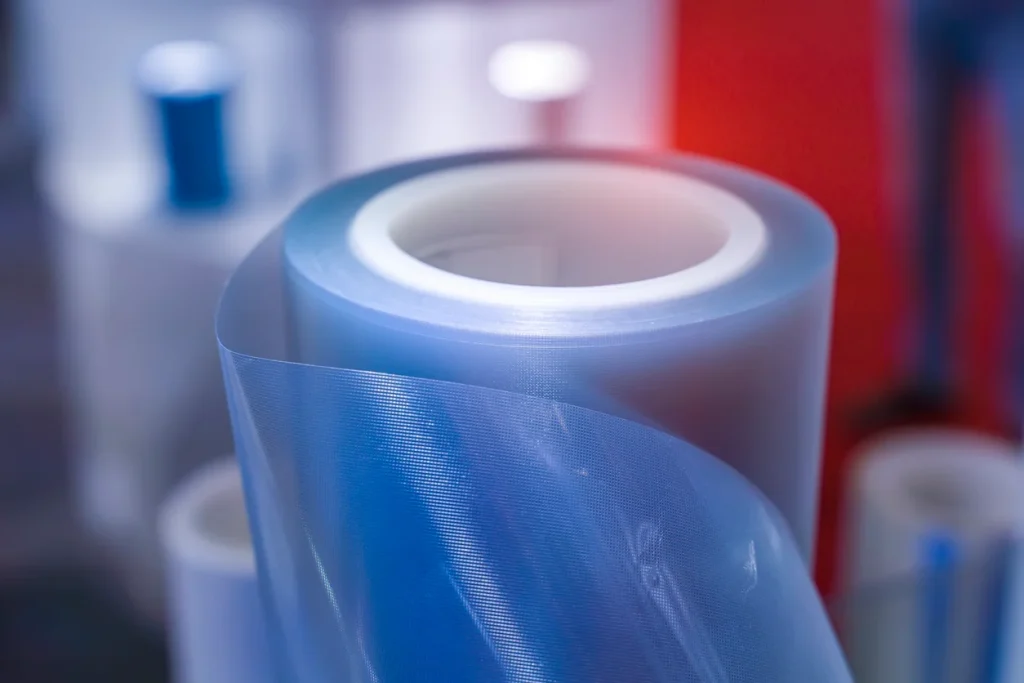
A polymer film is a thin layer made from synthetic polymer materials engineered to deliver specific functional properties.
Depending on its formulation, it can be waterproof, breathable, stretchable, transparent, or highly resistant to wear and chemicals.
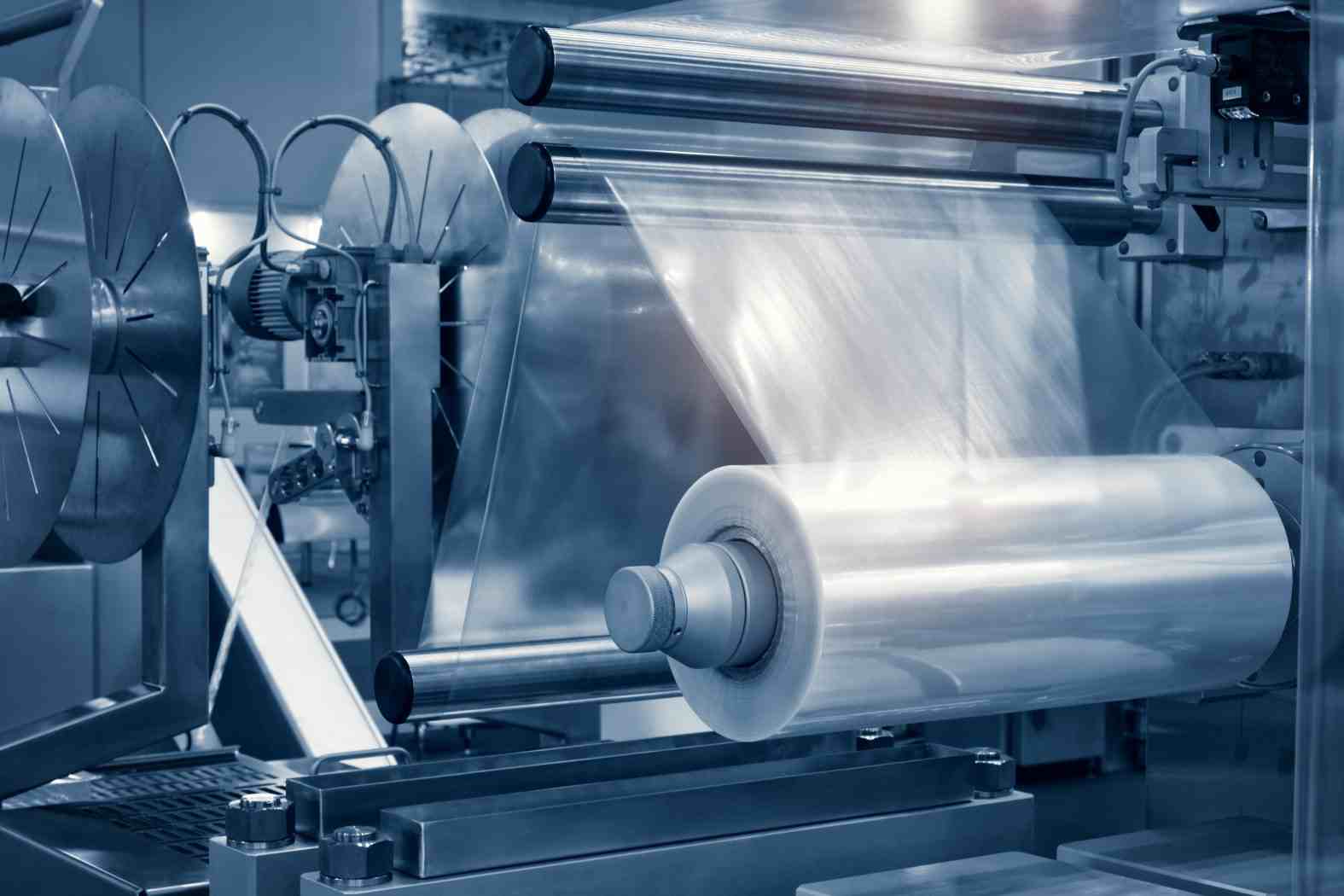
Polymer films are commonly produced through extrusion or casting processes, resulting in uniform thickness and consistent performance.
Because they can be customized at a molecular level, these material are widely used in applications that demand precise waterproofing control.
Why Polymer Films Are Effective for Waterproofing
Before examining specific use cases, it’s important to understand why polymer film technology outperforms traditional coatings or fabric treatments.
Unlike surface sprays or chemical coatings that wear off over time, polymer films form a continuous barrier that remains effective throughout the product’s lifespan.
1. Polymer Films Create a Continuous Waterproof Barrier
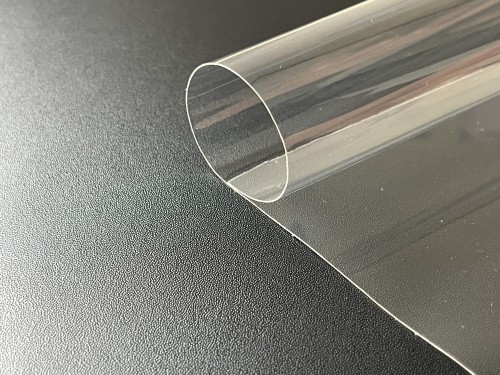
One of the main reasons polymer films are so effective is their ability to create a seamless barrier against water.
When applied or laminated correctly, the film blocks liquid penetration without relying on pores or surface tension alone.
This continuous structure prevents leaks even under pressure, making polymer film ideal for products exposed to rain, spills, or prolonged moisture.
As a result, polymer film-based waterproofing is far more reliable than traditional fabric treatments.
2. Waterproof Without Sacrificing Flexibility
Unlike rigid plastic sheets, modern polymer films are designed to remain flexible and elastic.
This allows products to bend, stretch, and move naturally without cracking or losing waterproof performance.
Flexibility is especially important for wearable items such as jackets, protective clothing, and gloves.
A well-designed polymer film maintains its waterproof function even after repeated movement, folding, and washing.
3. Breathable Polymer Films Improve Comfort
Advanced polymer film technology allows waterproofing to be combined with breathability. Certain polymer films enable water vapor to escape while blocking liquid water from entering.
This feature is essential for outdoor apparel and performance wear, where moisture buildup inside garments can reduce comfort.
Breathable polymer films help regulate temperature and humidity, keeping users dry both inside and out.
4. Strong Resistance to Wear, Chemicals, and Moisture
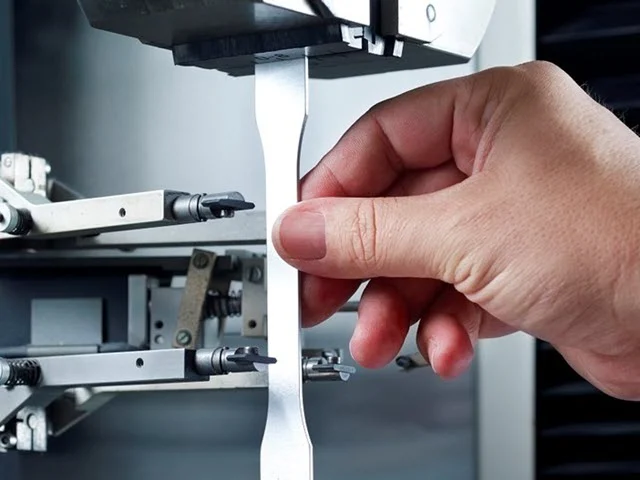
Polymer films are engineered to withstand harsh conditions. Many formulations offer excellent resistance to abrasion, oils, sweat, cleaning agents, and long-term moisture exposure.
Because of this durability, polymer waterproofing remains stable over time and does not easily degrade. This makes polymer films suitable for industrial, medical, and high-usage consumer products.
5. Consistent Waterproof Performance Over Time
One major advantage of polymer film waterproofing is long-term reliability. Unlike surface coatings that can fade or wash away, polymer films are integrated directly into the product structure.
This ensures consistent waterproof performance even after repeated use, cleaning, or exposure to environmental stress. Manufacturers value polymer films because they reduce product failure and warranty issues.
Common Applications of Polymer Film Waterproofing
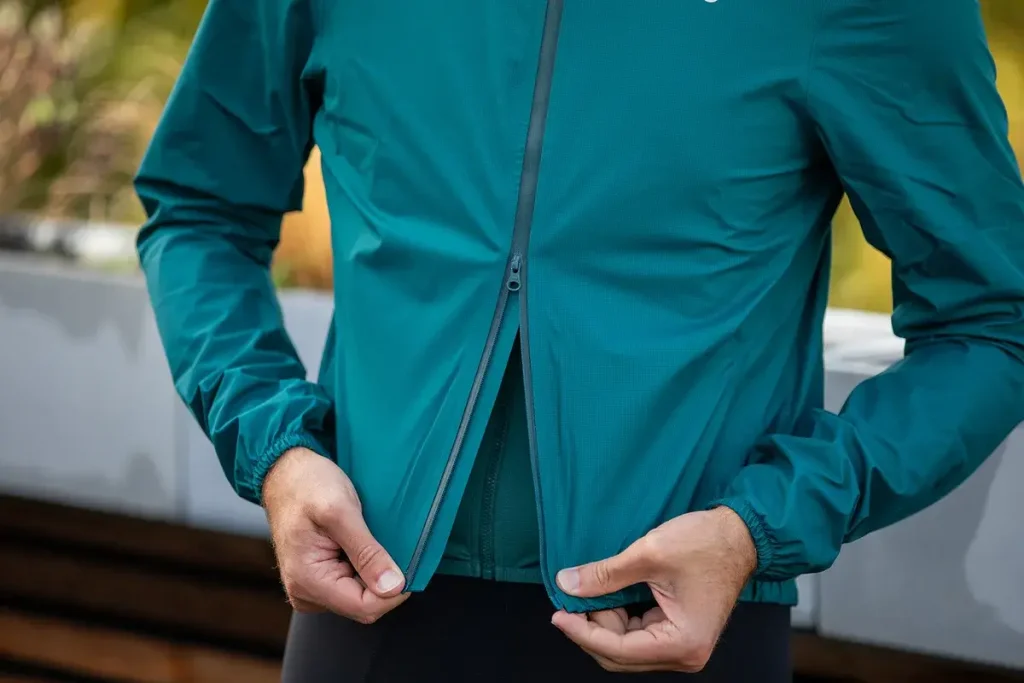
Polymer film waterproofing is used across a wide range of industries:
- Outdoor apparel and jackets for rain and weather protection
- Home textiles such as mattress protectors and furniture covers
- Footwear and bags requiring flexible waterproof layers
- Medical products that need hygienic, liquid-resistant surfaces
- Industrial applications including insulation and protective covers
The adaptability of this material makes it a preferred waterproofing solution in both consumer and industrial markets.
Why Polymer Film Is Better Than Chemical Coatings
Why polymer film is better than chemical coating when it comes to long-lasting waterproofing?
The answer lies in how the material works at a structural level. Unlike chemical coatings that rely on surface adhesion, polymer film creates a physical waterproof barrier that protects materials from moisture, pressure, and environmental damage.
This makes this material a more reliable, durable, and cost-efficient solution across many industries.
Source Advanced Polymer Film Solutions with BlueSign Materials
If you are looking for reliable and high-performance polymer film solutions for waterproofing, BlueSign Materials provides premium materials engineered for durability, flexibility, and long-term performance.
As a trusted supplier, we support applications in apparel, home textiles, outdoor gear, and industrial manufacturing with consistent quality and eco-conscious production processes.
Whether your product requires waterproof, breathable, or high-resistance polymer, BlueSign Materials is ready to support your next innovation.