Thermoplastic polyurethane (TPU) films are widely used across industries due to their flexibility, durability, and strong resistance to abrasion and chemicals.
However, one critical factor that significantly affects performance is TPU film thickness.
Selecting the appropriate thickness is essential to ensure the film meets functional, mechanical, and aesthetic requirements.
Understanding how thickness influences properties such as strength, flexibility, and durability helps manufacturers choose the right TPU film for their specific applications.
Why TPU Film Thickness Matters
TPU film thickness directly affects the film’s mechanical behavior and long-term performance.
Thicker films generally offer greater protection and durability, while thinner films provide flexibility and lightweight performance.
Manufacturers must balance thickness with the application’s requirements to achieve optimal results.
Choosing the right thickness ensures both product performance and cost efficiency.
TPU Film Thickness & Its Performance Impact
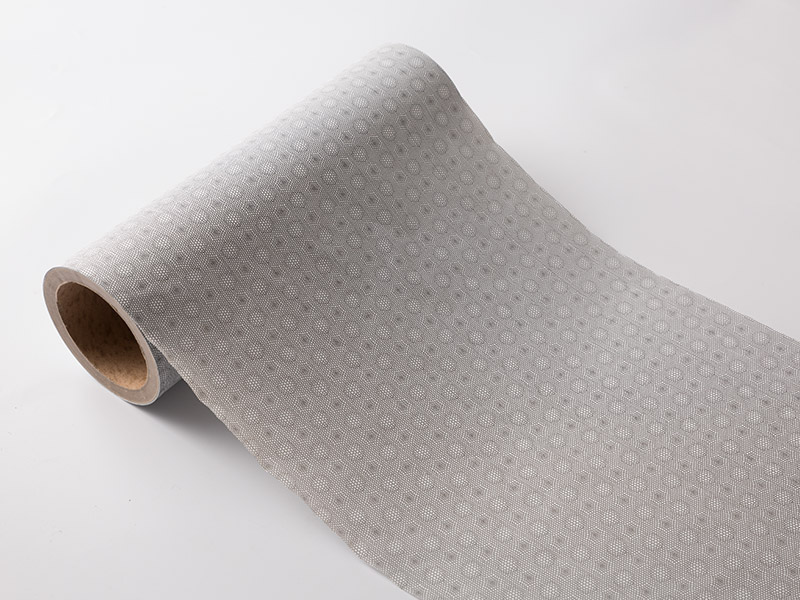
Here are some key factors influenced by TPU film thickness:
1. Impact of Thickness on Mechanical Strength
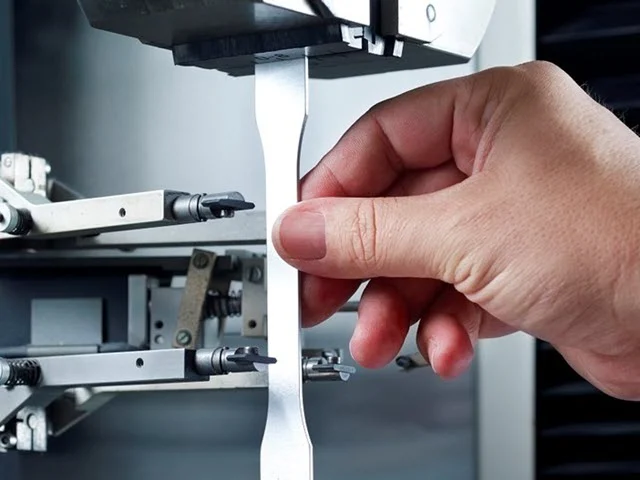
Thicker TPU films typically provide higher tensile strength and puncture resistance. This makes them ideal for applications that require enhanced durability or protection from mechanical stress.
For example, in industrial or automotive environments, thicker TPU films can better withstand impact, friction, and heavy use.
However, increasing thickness can also increase stiffness, which may reduce flexibility depending on the material formulation.
2. Flexibility and Elastic Performance
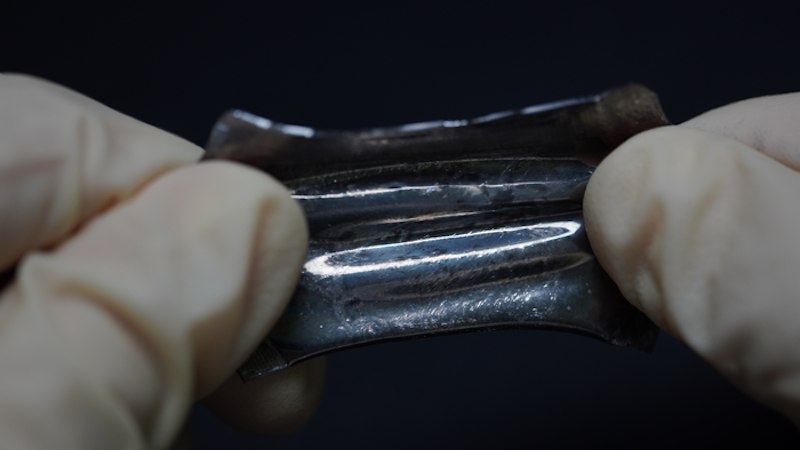
One of the key advantages of TPU films is their excellent elasticity. Thinner TPU films tend to offer better flexibility and stretchability, making them suitable for applications that require conformability.
Industries that rely on high flexibility often prefer thinner TPU films, including:
- Wearable technology
- Protective coatings for electronics
- Textile laminations
- Medical products
A thinner film allows materials to bend and stretch without compromising comfort or functionality.
3. Abrasion and Wear Resistance
Abrasion resistance is a defining feature of TPU films, but thickness still plays an important role.
Thicker films can absorb more friction and mechanical wear, extending the lifespan of the product. This is especially beneficial in applications such as:
- Automotive interior protection
- Industrial protective films
- Outdoor equipment
- Sporting goods
While thinner films can still offer good abrasion resistance, they may wear faster in high-stress environments.
4. Barrier and Protective Properties

TPU film thickness also affects barrier performance. Thicker films can provide improved protection against environmental factors such as moisture, dust, and chemicals.
For example, protective TPU layers used in electronics or outdoor equipment often require a specific thickness range to ensure reliable sealing and protection.
However, increasing thickness must be balanced with weight and transparency requirements depending on the application.
Common TPU Film Thickness Ranges
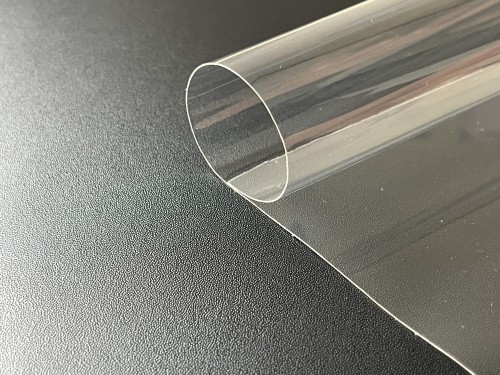
TPU films are available in a wide range of thicknesses depending on the manufacturing process and intended use.
Typical ranges include:
- 10–50 microns : Ultra-thin films for lightweight and flexible applications
- 50–200 microns : Standard thickness for general industrial or consumer products
200–500+ microns : Heavy-duty films for high-durability applications
Selecting the appropriate thickness depends on performance needs, product design, and environmental conditions.
Choosing the Right TPU Film Thickness
Selecting the correct TPU film thickness requires evaluating several factors related to the product’s operating environment and mechanical demands.
Each factor helps determine whether a thinner flexible film or a thicker protective layer will perform better.
1. Expected Mechanical Stress
Products that experience frequent pulling, abrasion, or physical impact generally require thicker TPU films.
For example, inflatable structures, protective equipment, or industrial laminates must withstand repeated mechanical forces without tearing or puncturing.
In these cases, thicker films provide additional material strength and resistance to damage.
2. Flexibility Requirements
Some applications require the material to bend, stretch, or conform to complex shapes. Wearable products, flexible electronics, and textile laminations often prioritize comfort and mobility.
Thinner TPU films are typically preferred for these applications because they maintain high elasticity and reduce stiffness.
3. Environmental Exposure
The environment in which the product is used can strongly influence thickness selection.
Products exposed to moisture, UV radiation, chemicals, or extreme temperatures may require thicker films to provide better protection and longer service life.
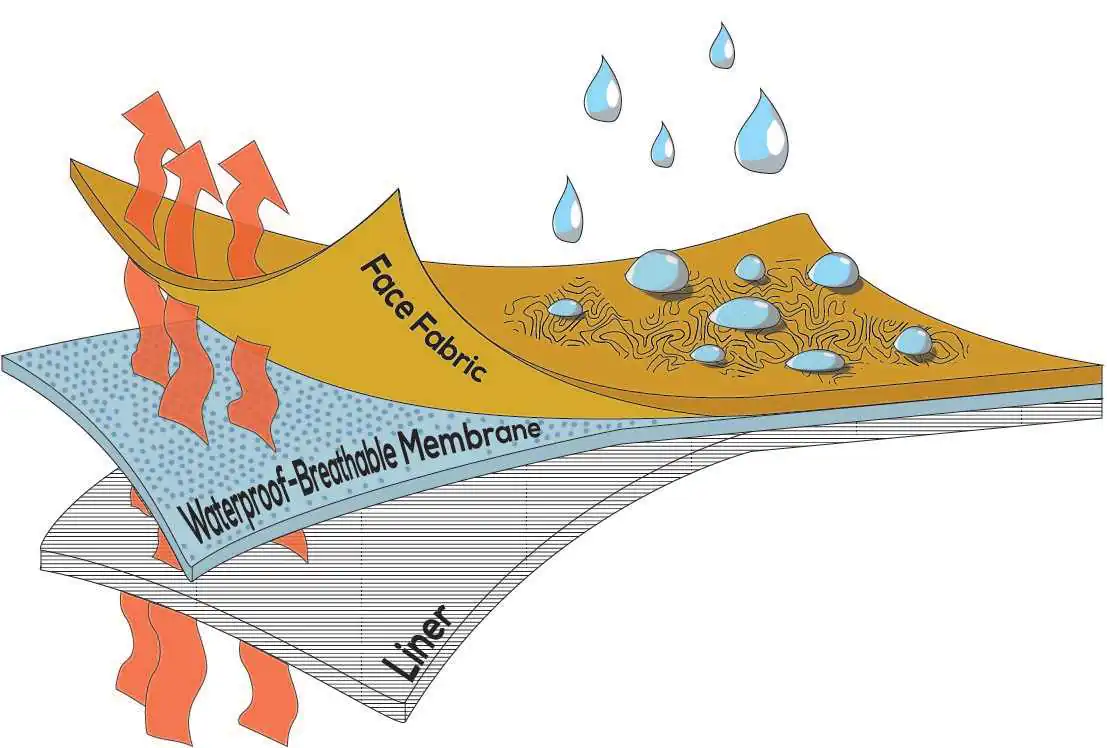
Outdoor equipment, waterproof textiles, and protective industrial covers often benefit from increased film thickness.
4. Product Lifespan Requirements
If a product is expected to last for many years or endure repeated use cycles, durability becomes more important than weight reduction. In such cases, a thicker film may be chosen to improve resistance to fatigue, abrasion, and environmental degradation over time.
5. Cost and Material Efficiency
Material thickness also affects manufacturing cost and product weight. Thicker films use more raw material and may increase production expenses, while thinner films improve material efficiency and reduce overall weight.
Engineers must balance performance requirements with cost targets when selecting film thickness.
Need a Trusted Partner for Functional Polymer Films?
If your application requires reliable TPU films with optimized thickness and performance, choosing the right materials partner makes a difference.
BlueSign Material provides high-quality functional polymer films designed for demanding industrial applications.
With expertise in material engineering and film manufacturing, BlueSign helps businesses select the ideal film thickness, structure, and formulation to match their product requirements.
Contact BlueSign Material today to explore customized TPU film solutions built for durability, performance, and long-term reliability.