Moisture is one of the most common causes of material failure. In humid environments, high temperatures, or long-term water exposure, certain polymers begin to break down at the molecular level.
This is where hydrolysis resistant materials become essential.
Understanding hydrolysis resistance helps manufacturers choose materials that maintain strength, flexibility, and performance over time.
In this article, we explain what hydrolysis resistance is, why it matters, and how hydrolysis resistant polyurethane improves product durability.
What Is Hydrolysis Resistance?
So, what is hydrolysis resistance exactly?
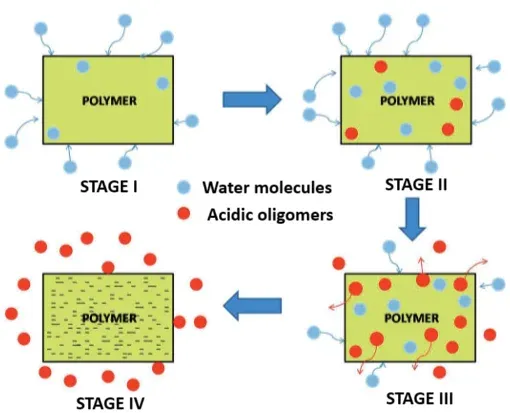
Hydrolysis resistance refers to a material’s ability to withstand chemical breakdown caused by reaction with water.
Hydrolysis occurs when water molecules attack polymer chains, causing them to degrade. Over time, this can lead to:
- Cracking and brittleness
- Loss of mechanical strength
- Surface peeling or delamination
- Reduced elasticity
- Shortened product lifespan
A hydrolysis resistant material is specifically engineered to prevent or slow this degradation process, even under prolonged exposure to moisture, heat, or humidity.
Why Hydrolysis Resistance Matters in Manufacturing
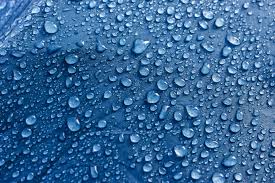
Many industries operate in environments where moisture exposure is unavoidable.
Products used outdoors, in tropical climates, in medical settings, or in industrial facilities must maintain performance despite humidity and temperature fluctuations.
Without hydrolysis resistance, materials may fail prematurely, increasing warranty claims, replacement costs, and safety risks.
Choosing hydrolysis resistant materials ensures:
- Longer product lifespan
- Consistent mechanical performance
- Reduced maintenance costs
- Improved brand reliability
Hydrolysis Resistant Polyurethane Explained
One of the most widely used solutions is hydrolysis resistant polyurethane.
Polyurethane (PU) is valued for its flexibility, abrasion resistance, and versatility. However, not all polyurethane formulations perform equally in humid environments.
Standard polyester-based polyurethane can degrade when exposed to water over time.
Hydrolysis resistant polyurethane, often formulated using polyether-based structures or specialized stabilizers, is designed to withstand moisture-induced degradation. This makes it suitable for demanding applications where long-term durability is critical.
Key Advantages of Hydrolysis Resistant Polyurethane
- Maintains Flexibility Over Time
Resists embrittlement caused by moisture exposure. - Improved Mechanical Strength Retention
Preserves tensile strength and elongation properties. - Better Performance in High Humidity
Ideal for tropical climates and high-moisture environments. - Enhanced Resistance to Microbial Growth
Suitable for medical and hygiene-related applications. - Extended Service Life
Reduces premature failure in outdoor and industrial products.
Applications That Require Hydrolysis Resistant Materials
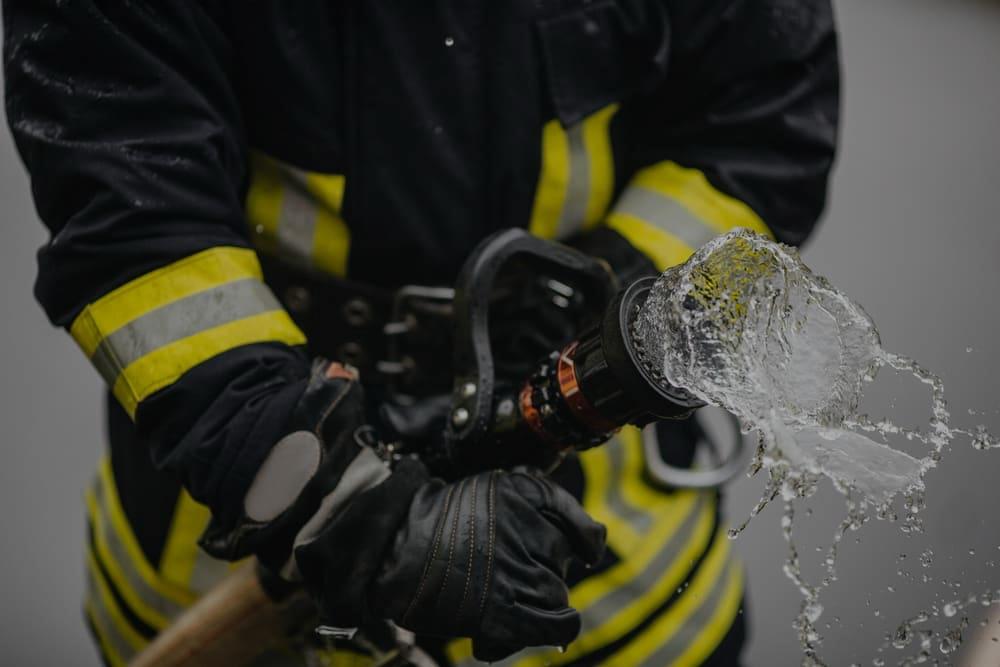
Hydrolysis resistant polyurethane and related materials are commonly used in:
- Outdoor apparel and footwear
- Waterproof membranes and films
- Medical devices and protective covers
- Industrial belts and seals
- Automotive interior components
- Marine and high-humidity applications
In these sectors, selecting a hydrolysis resistant solution is not optional—it is a performance requirement.
Hydrolysis Resistance in TPU and Membrane Applications
Thermoplastic polyurethane (TPU) membranes and films often require enhanced hydrolysis resistance to maintain waterproofing and flexibility.
When exposed to sweat, rain, or humid storage conditions, low-grade materials may degrade.
By using hydrolysis resistant formulations, manufacturers can ensure their TPU films and membranes maintain structural integrity, elasticity, and waterproof performance throughout the product lifecycle.
Choose BlueSign Materials for Hydrolysis Resistant Solutions
BlueSign Materials provides advanced hydrolysis resistant polyurethane, TPU membranes, and performance films engineered for demanding environments.
If your products require long-term moisture stability and reliable durability, contact BlueSign Materials to explore customized hydrolysis resistant solutions tailored to your industry needs.