When you’re choosing materials for products like bags, footwear, raincoats, or upholstery, three names often show up: TPU film, PVC, and PU leather.
They may look similar at a glance, but each material has very different strengths, weaknesses, and best-use scenarios.
This detailed comparison will help you understand which material is truly the best fit for your product.
What Is the Difference Between TPU, PVC, and PU?
Before diving into the specifics, it helps to understand the core characteristics of each material.
Each one behaves differently in terms of durability, flexibility, environmental impact, and cost. Once you grasp the basics, choosing the right material for your needs becomes much easier.
1. TPU Film (Thermoplastic Polyurethane)
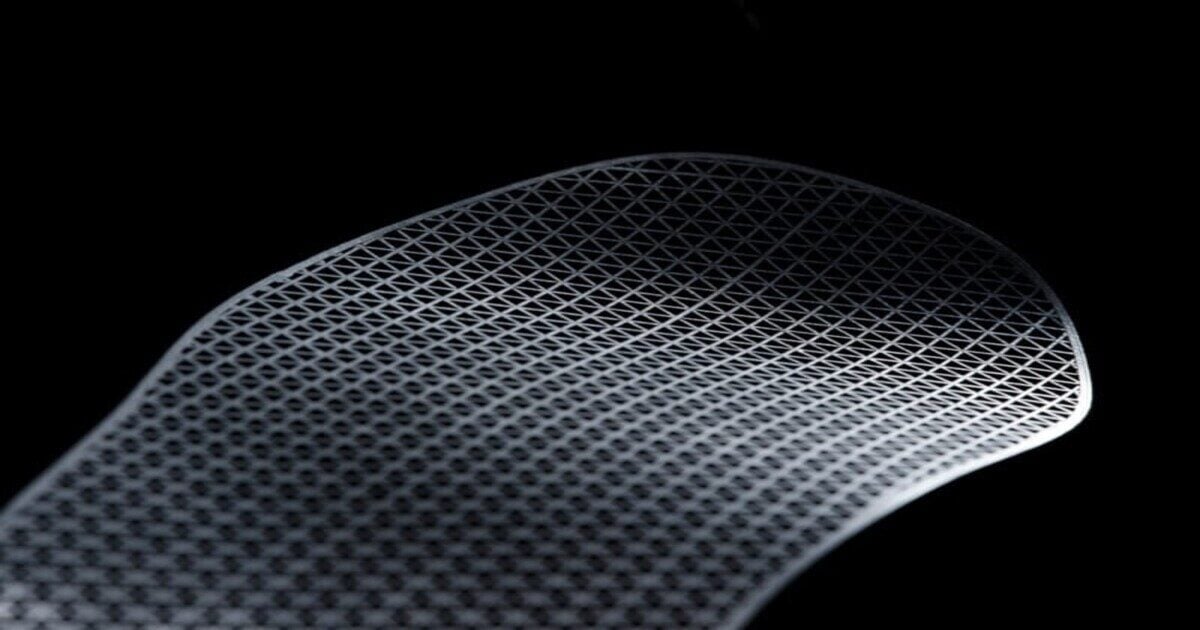
TPU is an elastic, flexible, and highly durable material often used in higher-end products.
This material is soft yet strong, making it a favorite choice for applications that require durability combined with a modern, premium look.
Advantages of TPU Film:
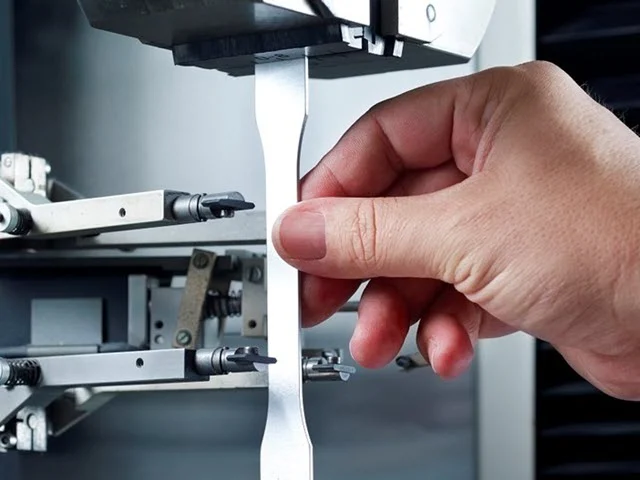
- Highly durable and abrasion-resistant. Perfect for products that bend, stretch, or experience frequent friction, like sports bags, outdoor footwear, or protective device covers. TPU resists cracking and peeling even with long-term use.
- More environmentally friendly. TPU doesn’t contain chlorine (unlike PVC) and is more biodegradable than most synthetic materials. Many global brands choose TPU to enhance sustainability.
- Performs well in extreme temperatures. TPU doesn’t harden in cold weather or soften in heat, making it a stable choice for tropical climates or outdoor gear.
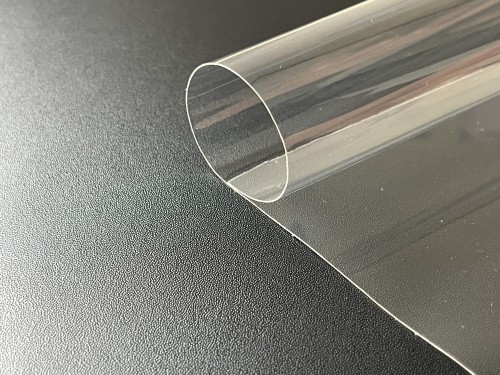
- Excellent transparency. Ideal for clear products like premium raincoats, protective films, and gadget cases.
Disadvantages:
- Highest cost among TPU, PVC, and PU. Its superior performance comes with a higher production cost.
- Slightly heavier than PVC. Not dramatic, but worth noting for mass production.
2. PVC (Polyvinyl Chloride)
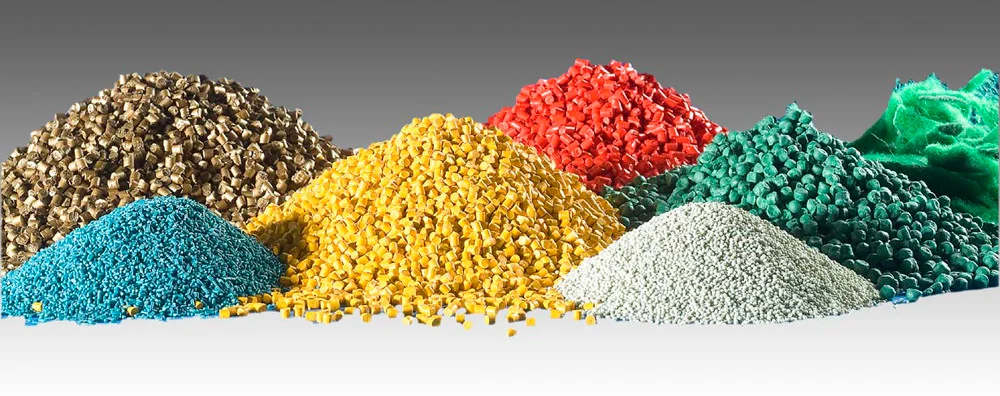
PVC is a widely used synthetic material known for being inexpensive and easy to manufacture. It is commonly found in low-cost fashion bags, budget footwear, accessories, and rainwear.
Advantages of PVC:
- Very affordable. If your goal is to maximize profit margins, PVC offers the lowest cost among the three materials.
- Easy to mold and process. Ideal for high-volume production due to fast and consistent manufacturing.
- Waterproof. PVC does not absorb water, making it a staple for raincoats, covers, and outdoor accessories.
Disadvantages:
- Least environmentally friendly. Contains chlorine and plasticizers that are harmful to both health and the environment.
- Poor durability over time. PVC can crack, peel, or become sticky as it ages.
- Stiff and less comfortable. Not the best choice for high-quality or flexible products.
3. PU (Polyurethane Leather)
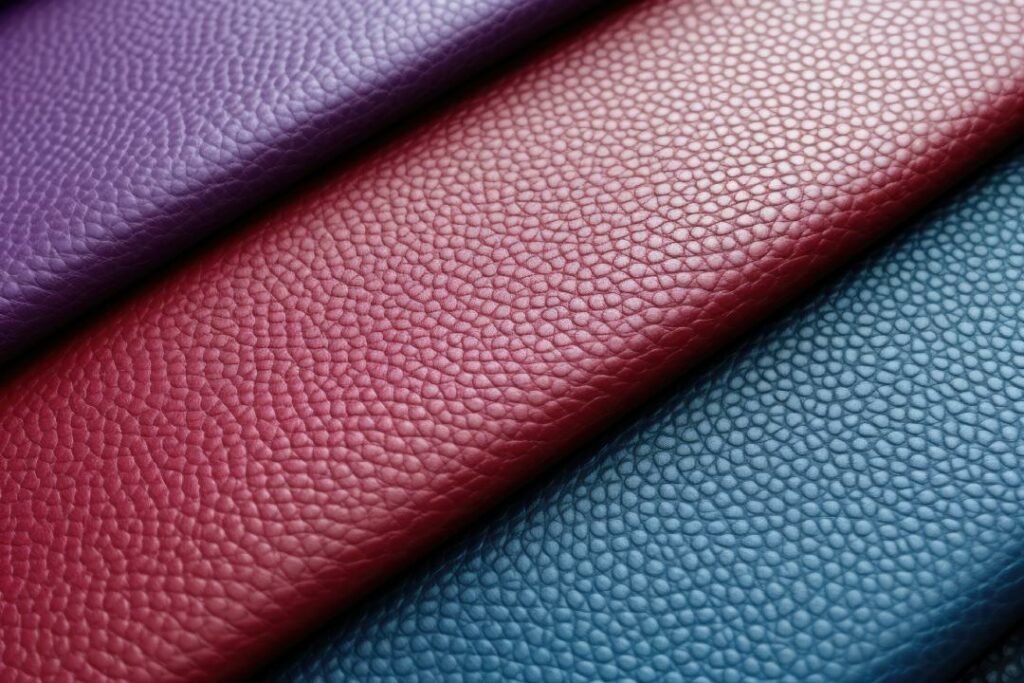
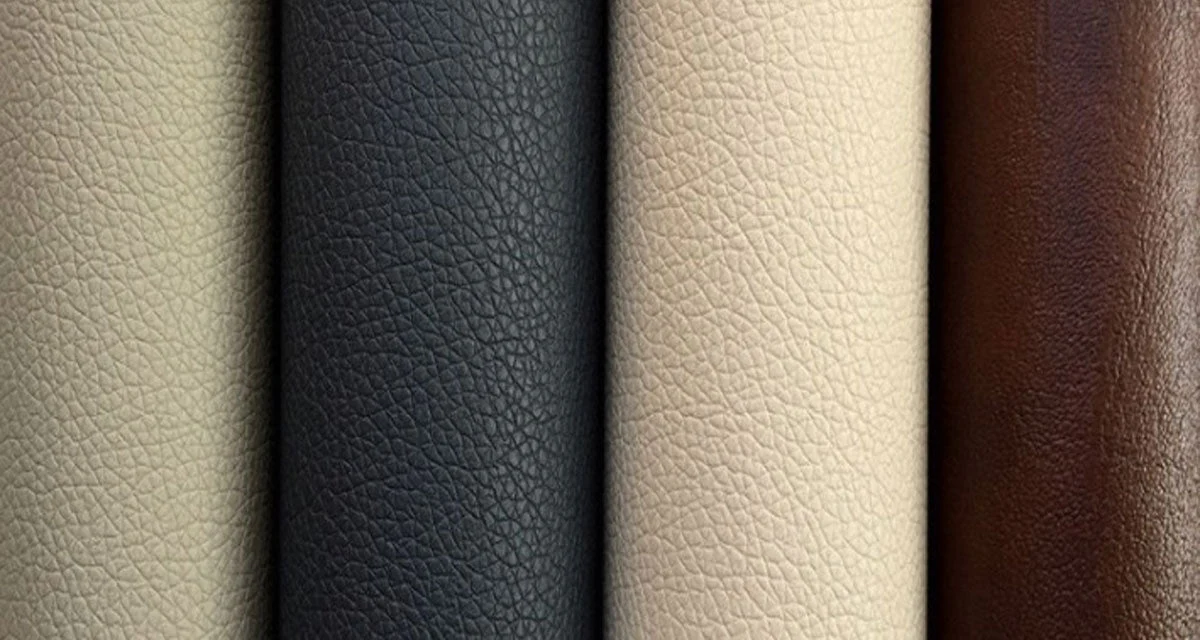
PU leather is a synthetic leather alternative designed to mimic real leather’s appearance and feel while remaining affordable. It is softer and more flexible than PVC.
Advantages of PU:
- Soft and comfortable. More flexible and pleasant to the touch compared to PVC.
- Better appearance. PU looks more like genuine leather, making it suitable for fashion items like bags, jackets, and shoes.
- Moderate price. More expensive than PVC but cheaper than TPU, offering a balance between affordability and quality.
Disadvantages:
- Less durable than TPU. PU can tear or peel over time, especially with heavy usage.
- Not ideal in extreme climates. PU can crack in cold temperatures or degrade in heat.
TPU Film vs PVC vs PU Comparison Table
| Feature | TPU Film | PVC | PU |
| Durability | Execellent | Low | Medium |
| Flexibility | High | Low | Medium-High |
| Environmental Impact | Better | Poor | Medium |
| Transparency | Excellent | Poor | None |
| Temperature Resistance | Excellent | Poor | Medium |
| Cost | High | Low | Medium |
Which Material Should You Choose?
- Choose TPU Film if you want premium quality, long-lasting durability, and better environmental safety. Great for outdoor, performance, and high-end products.
- Choose PVC if your priority is the lowest cost for mass production and you’re selling budget-friendly items.
- Choose PU if you want something that looks like leather, is comfortable, and balances cost with quality.
Source High‑Quality TPU Films with BlueSign Materials
If you’re looking for reliable, durable, and high‑performance materials, Blue Sign Materials specializes in premium TPU films for protective wear, home textiles, outdoor gear, and industrial applications.
As a trusted TPU film supplier, we ensure consistent quality, eco‑friendly manufacturing, and tailored material specifications for your product needs.
Whether you need waterproof, breathable, hydrolysis‑resistant, or transparent TPU film, Blue Sign Materials can help you build products that last.